
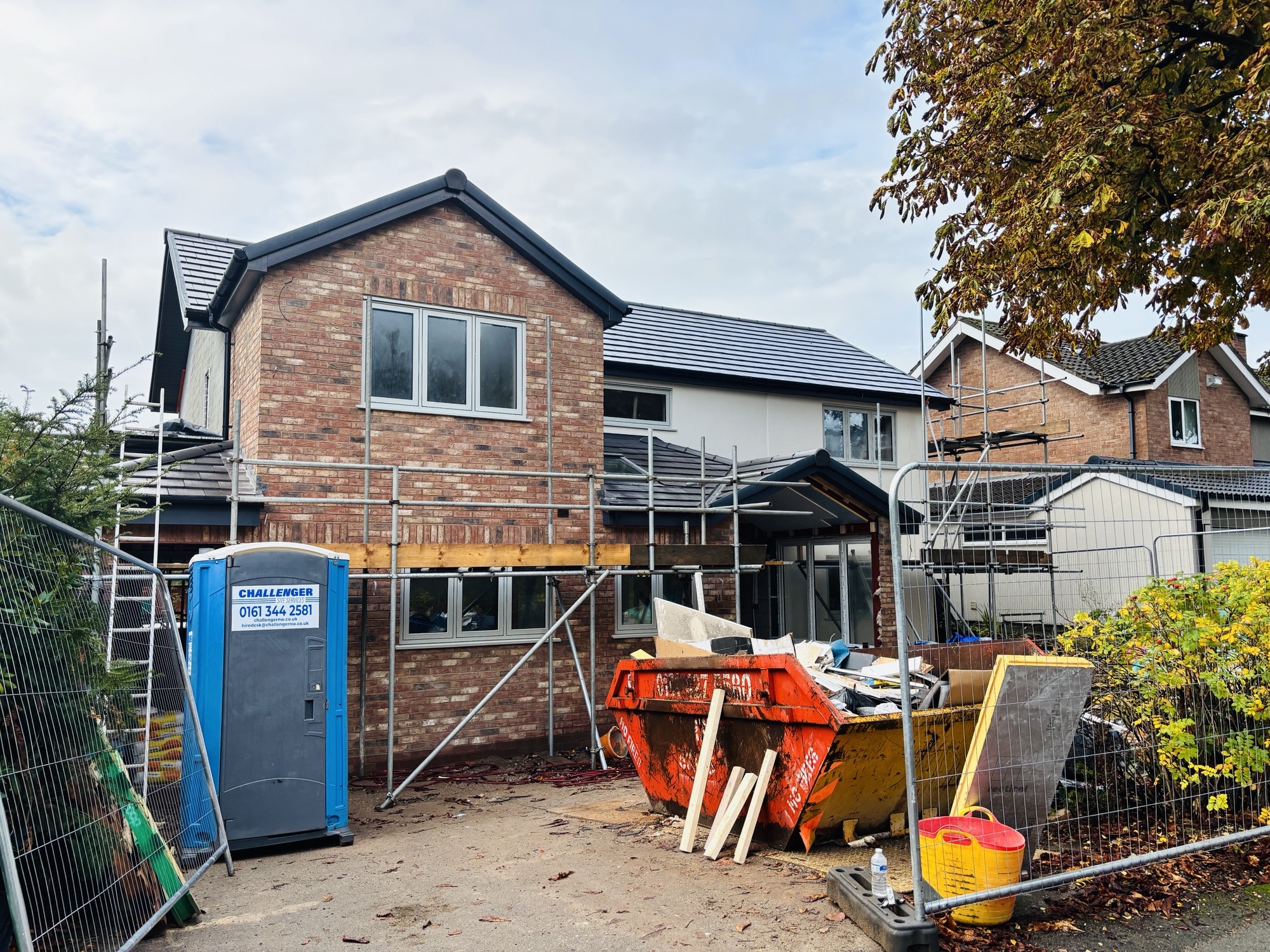
The Autumn Budget 2026: is it good news for homeowners and future architects, or is it a missed opportunity?
As a practice Architect undertaking mainly residential work, but also as a Lecturer at Manchester School of Architecture, I see positives, but I don’t think the measures go far enough. I welcome the fact that the Budget encourages investment, sustainability and homeownership but the government must do more to support existing homeowners who want to improve their property, and help graduates to get established.
I’d welcome the thoughts of homeowners, builders, mortgage advisers and students. Which of these most interests you?
Several of my clients are considering air source heat pumps, solar panels and energy efficiency improvements as part of their renovation projects so the proposed Warm Homes Loan Scheme is welcome, but reducing capital grant funding for the Warm Homes Plan seems contradictory.
They are encouraging homeowners to invest in sustainable technology, but not making it affordable. The initial outlay is substantial, particularly alongside the costs of extending or remodelling a property.
Many of my clients rely on mortgages or additional borrowing to finance their projects. Economic stability is important, but homeowners need confidence that borrowing costs will become more manageable. For many families, extending is preferable to moving. Yet construction costs, mortgage affordability and the cost of living can make even modest projects financially challenging. I’d have liked more recognition of the importance of improving our existing housing stock, rather than focusing so heavily on new homes. Surely adapting the homes we already have should be central to a sustainable housing strategy?
Investment in housing and construction should create opportunities for graduates, but will this translate into actual projects and employment? With practices facing financial pressures, will there be enough opportunities for the next generation? And will our graduates be able to afford homes themselves?
One area where I’d have liked more discussion is the student loan system. Architecture requires years of education and practical experience, often leaving graduates with substantial debt before becoming fully qualified. With relatively modest starting salaries and frozen repayment thresholds, are we genuinely encouraging young people into professional careers? Student loan repayments reduce disposable income and can affect mortgage affordability, making homeownership even more challenging. We talk about supporting young professionals and first-time buyers, but are we overlooking the financial pressures they already face?
#AutumnBudget2026 #Architecture #ResidentialArchitecture #SustainableHomes #MortgageAffordability #StudentLoans #ArchitecturalEducation #ConstructionIndustry

